Ajay Vikram P

Ajay Vikram P

I am a master's student in Computer Science at Duke University, specializing in AI/ML and advised by Dr. Bhuwan Dhingra. I also work as research assistant at the Duke Institute for Brain Sciences under Dr. Andrew M. Michael.

Previously, I obtained a B.Tech in Computer Science from NIT Karnataka, advised by Dr. Jeny Rajan. I also interned at Qualcomm and was a research intern at IISc.

Research

My research interests are in embodied intelligence, with the goal of advancing robots to understand and interact with the physical world. My work across seemingly different threads has drawn me to two broad directions:

  • Multimodal World Modeling: How can world models learn grounded physical dynamics from exteroceptive observations (vision, audio, touch), robot proprioception, and language?
  • Hierarchical Planning and Control: How can these models couple hierarchical reasoning and planning with closed-loop robot control for reliable action, failure anticipation, and recovery on long-horizon tasks?

Updates

Nov 2026 Won 3rd place & Most Inclusive Design Awards at the Neurotech BCI Hackathon.
Sept 2026 Presented a poster at IROS 2026.
Sept 2026 Presented 2 posters at the Duke Neurology Research Symposium.
May 2026 Participated in Duke Data+ over the summer.
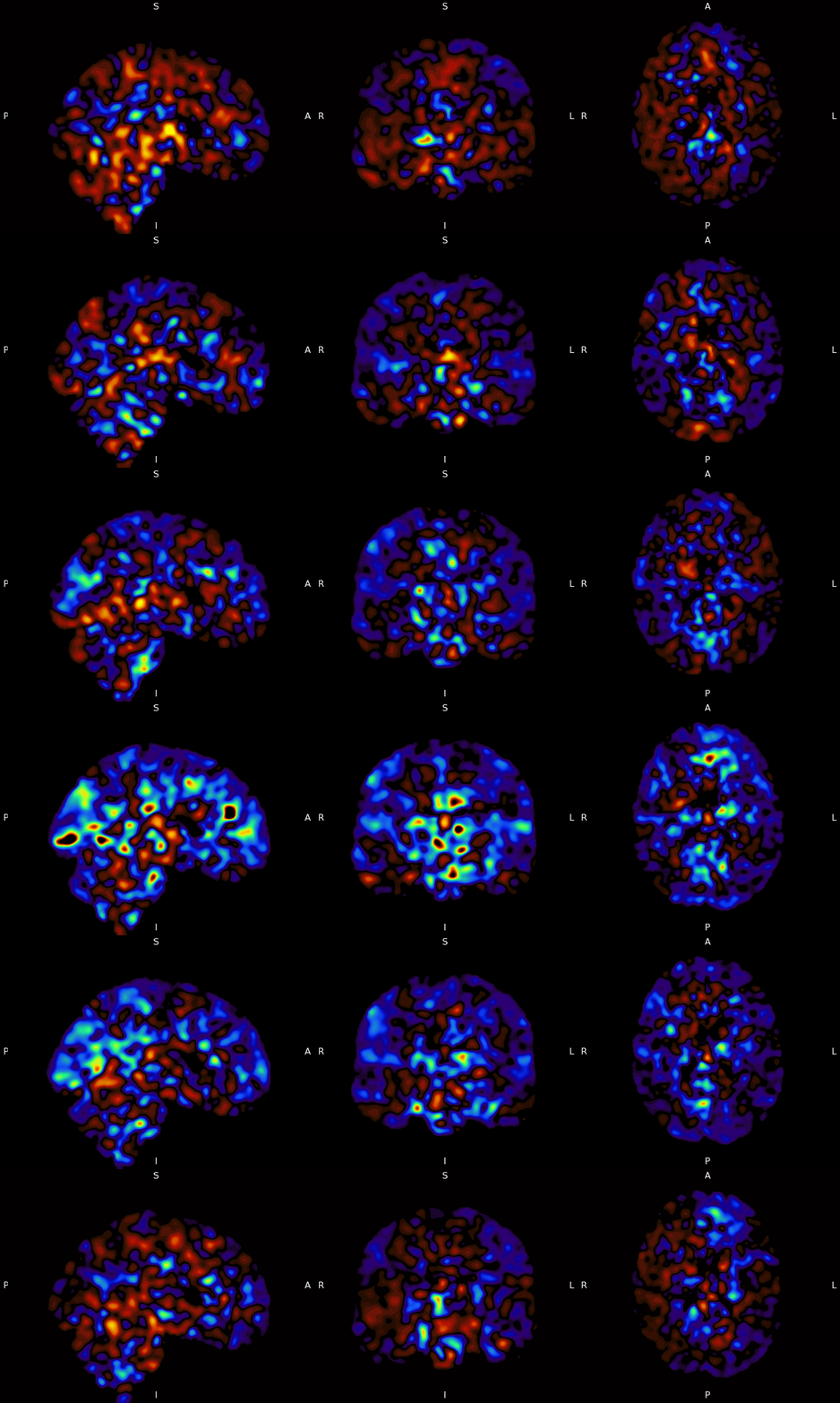
May 2026 Our abstract on resting-state brain networks was accepted to EMBC 2026.
Apr 2026 NeuromorphicCore.ai featured our ICASSP 2026 work.
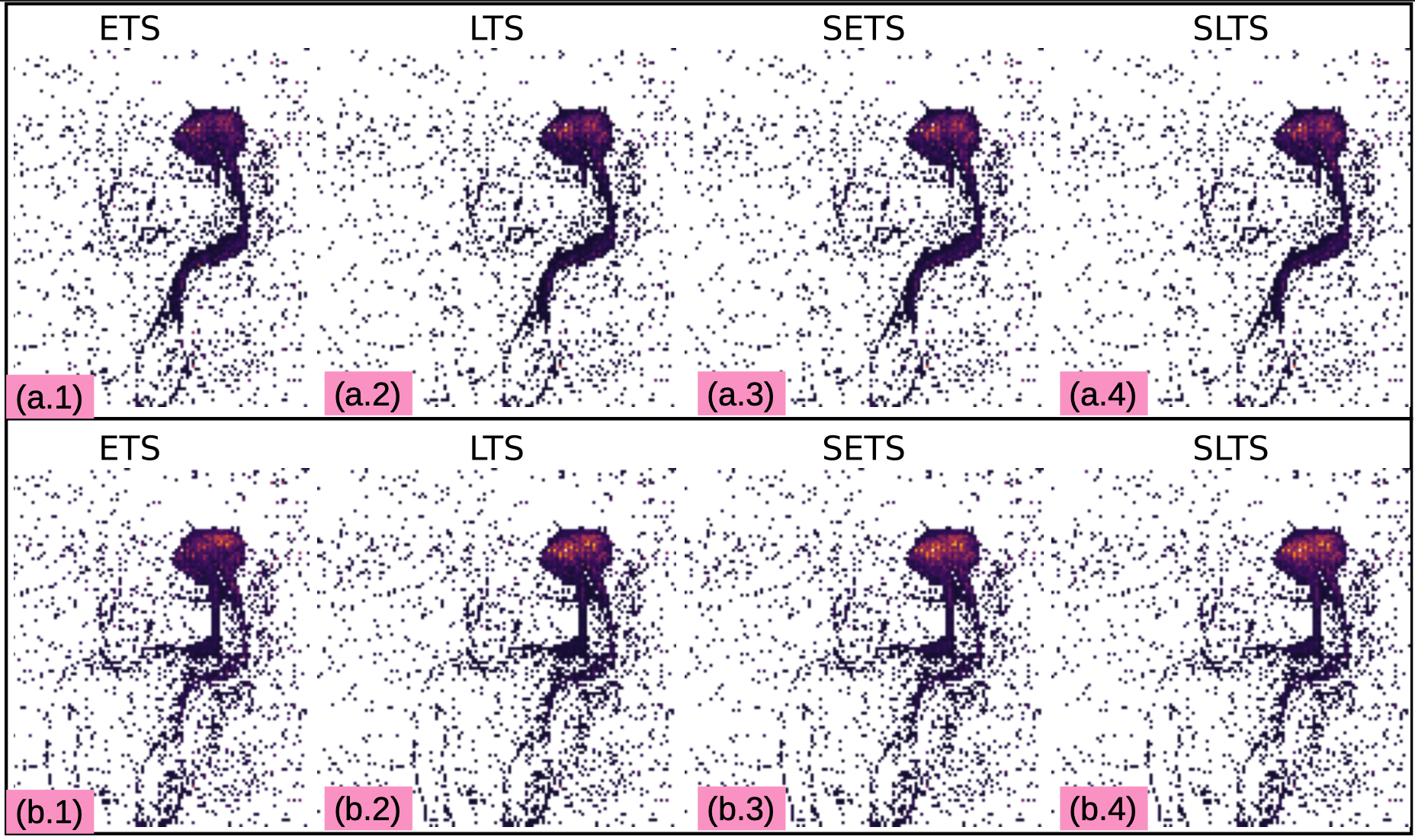
Jan 2026 Our neuromorphic star-tracking work was accepted to ICASSP 2026.
Aug 2025 Joined Duke University as a Master's student in Computer Science.
Mar 2025 Presented our neuromorphic tracking work through a poster and live demo at IISc Open Day.
Oct 2024 Our team placed 5th in the IEEE BioCAS 2024 Grand Challenge on Neural Decoding.

Publications

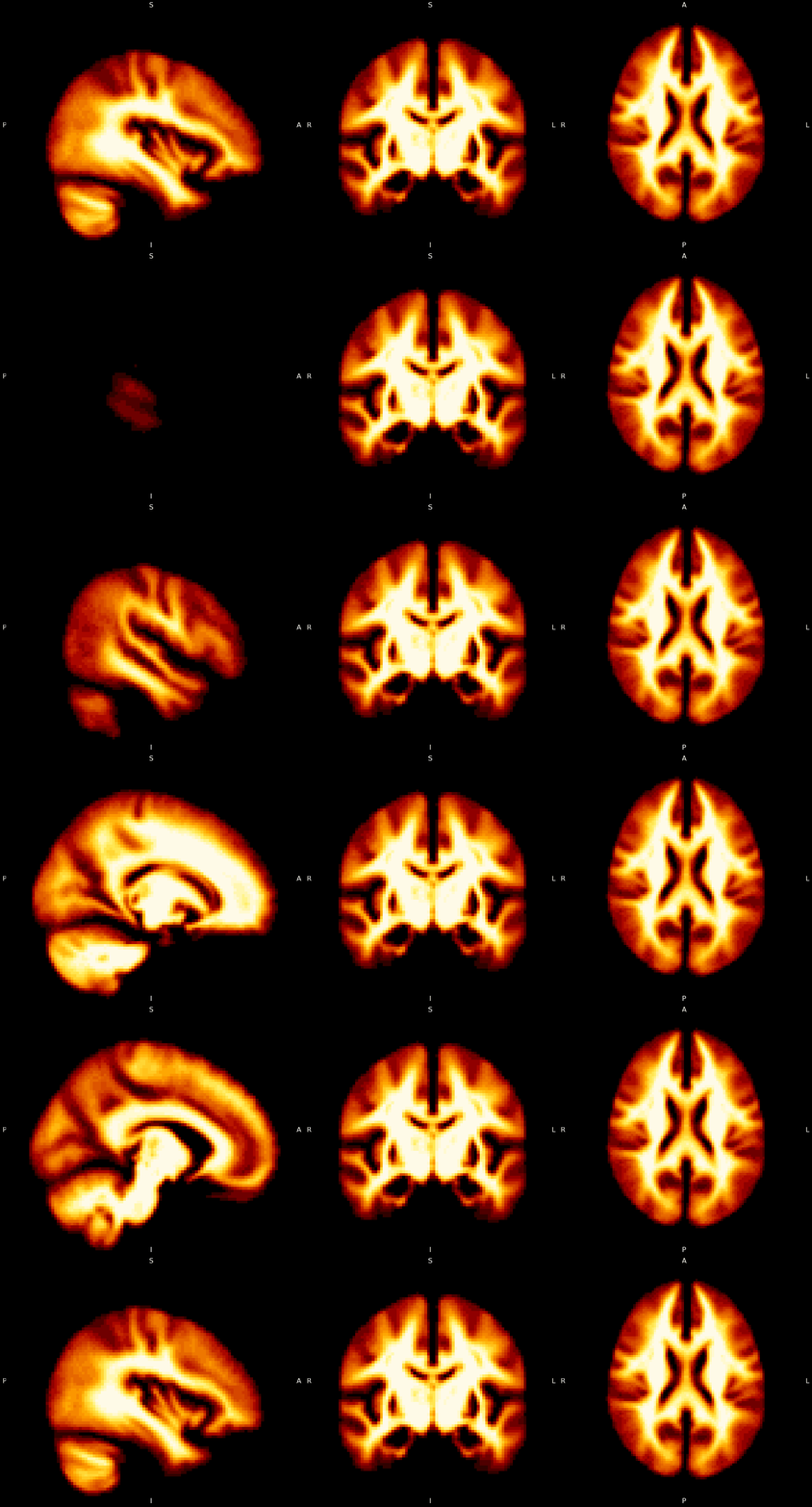
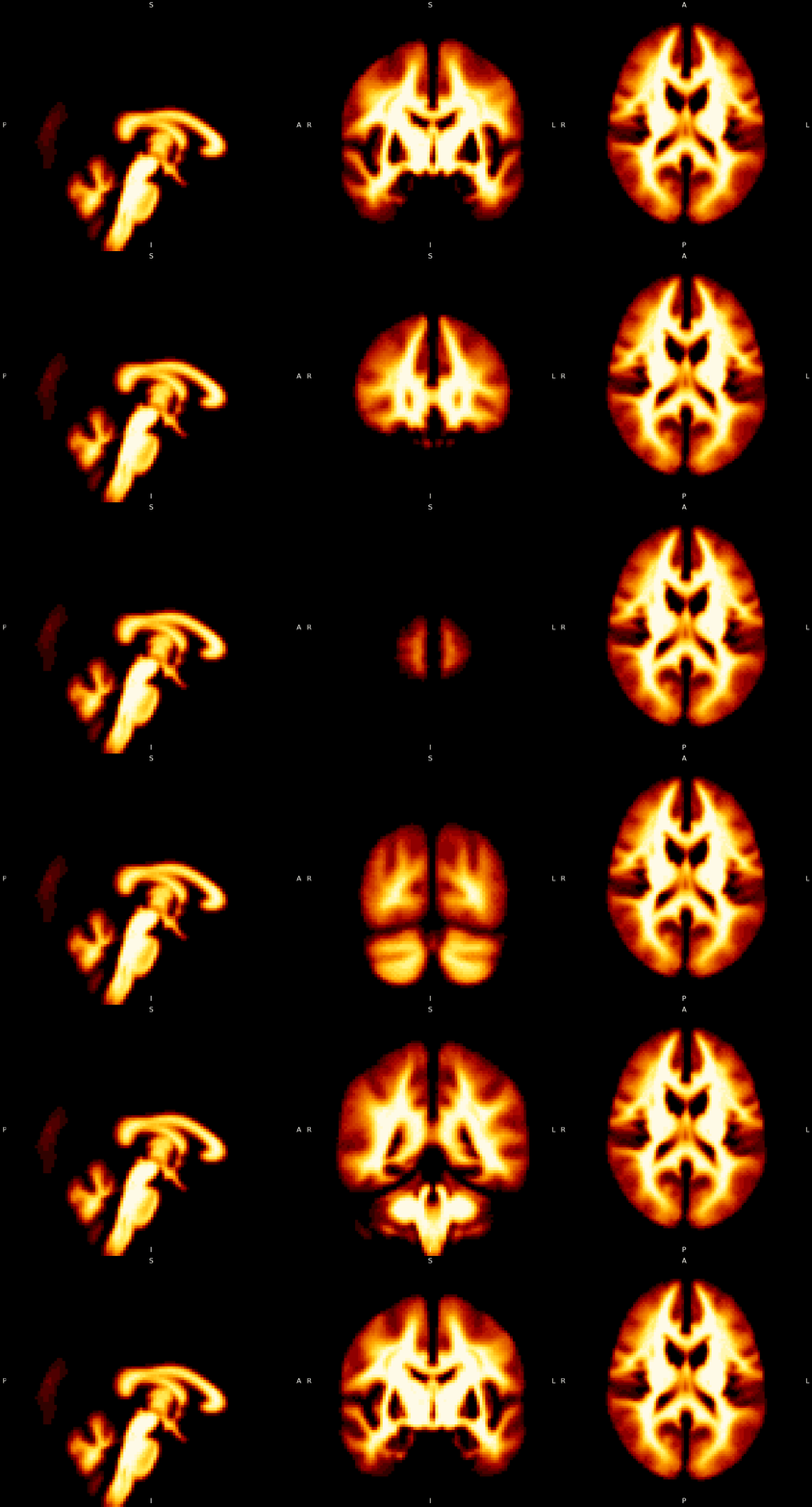
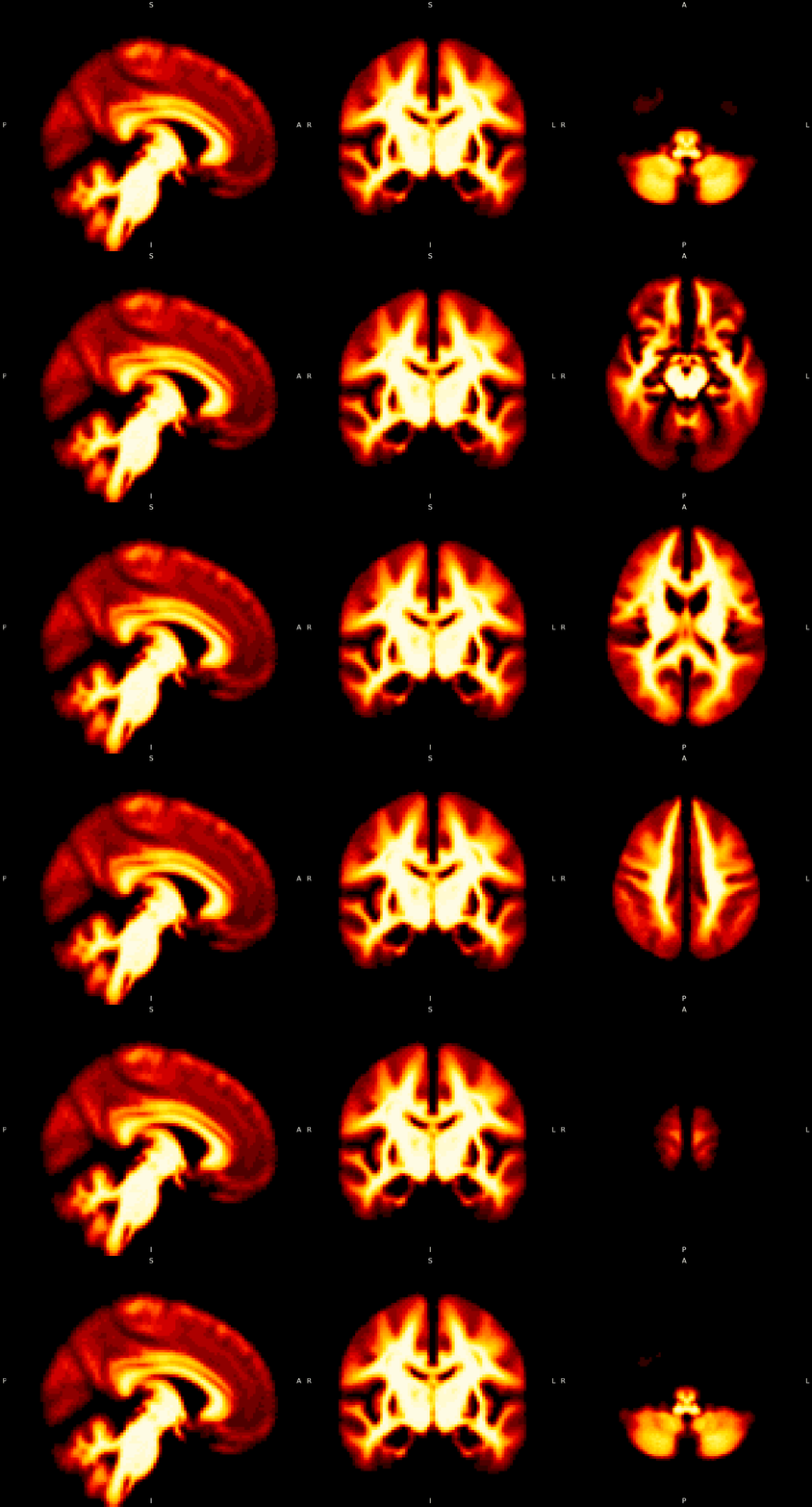
Characterization of Resting-State fMRI in Gray and White Matter: Comparison of Signal Measures and Network Patterns

Under review
Ajay Vikram P, Bharat Karri, Arnav Gupta, Tina Yuan, Leonard E. White, Andrew M. Michael
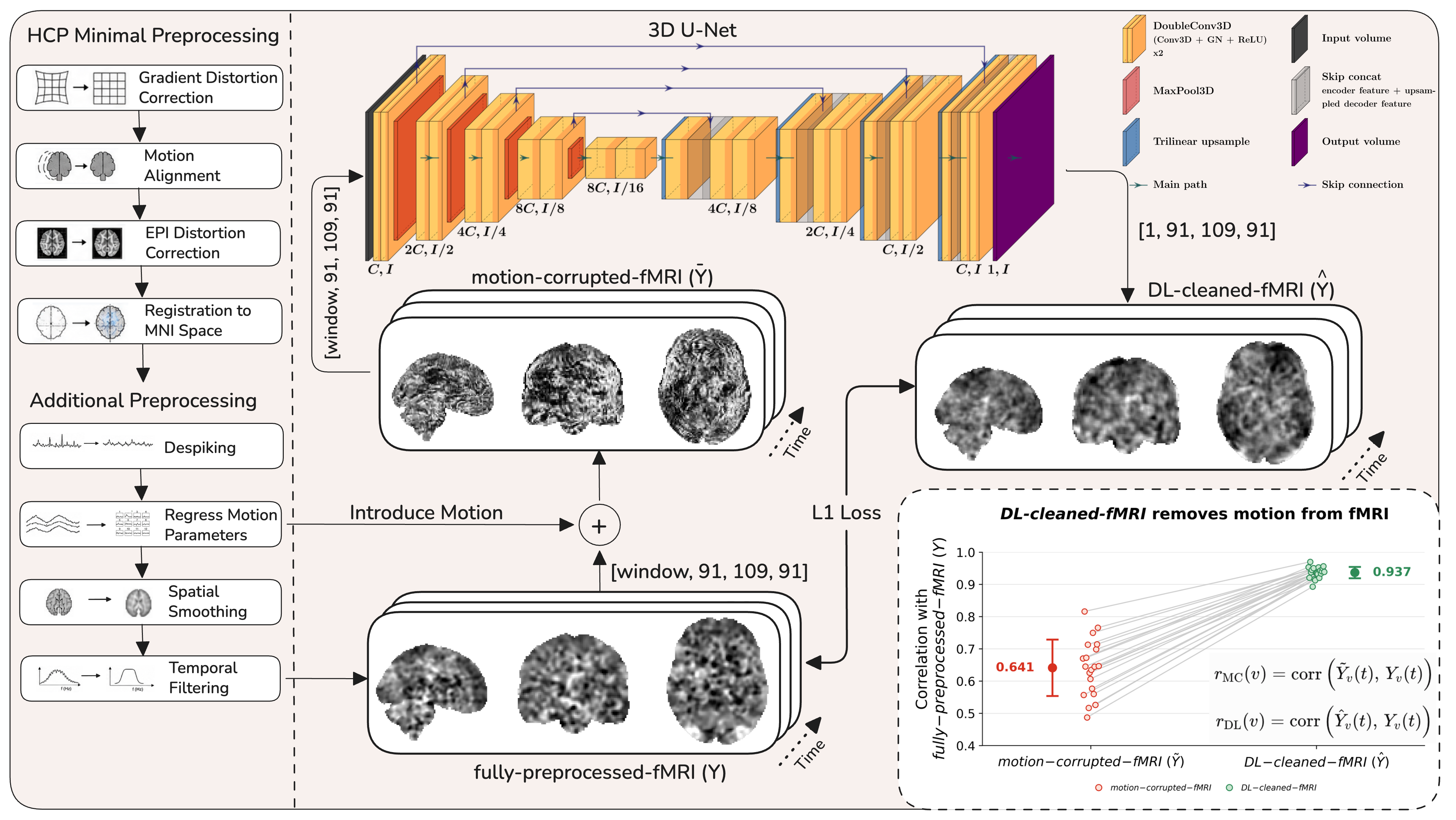
3D U-Net pipeline for correcting head motion in fMRI volumes

A Novel Deep Learning Approach to Functional MRI Head Motion Correction without Motion Regressors

Under review
Ajay Vikram P, Bharat Karri, Andrew M. Michael

Experience

Service

Blogs

SkillBlenderLC

Learning new humanoid skills with LLM-generated rewards and reinforcement learning.

Ternarizing CNNs

Compressing radar activity-recognition CNNs with ternary weights and integer-only inference.